Weeks of training that replace months of riding along
UTA's fast-track method gives the most value because of what can be learned in a matter of weeks, compared to months or years of traditional training. Because the program is built around a wide array of operational equipment and students work at their own experience level, both new and experienced technicians benefit.
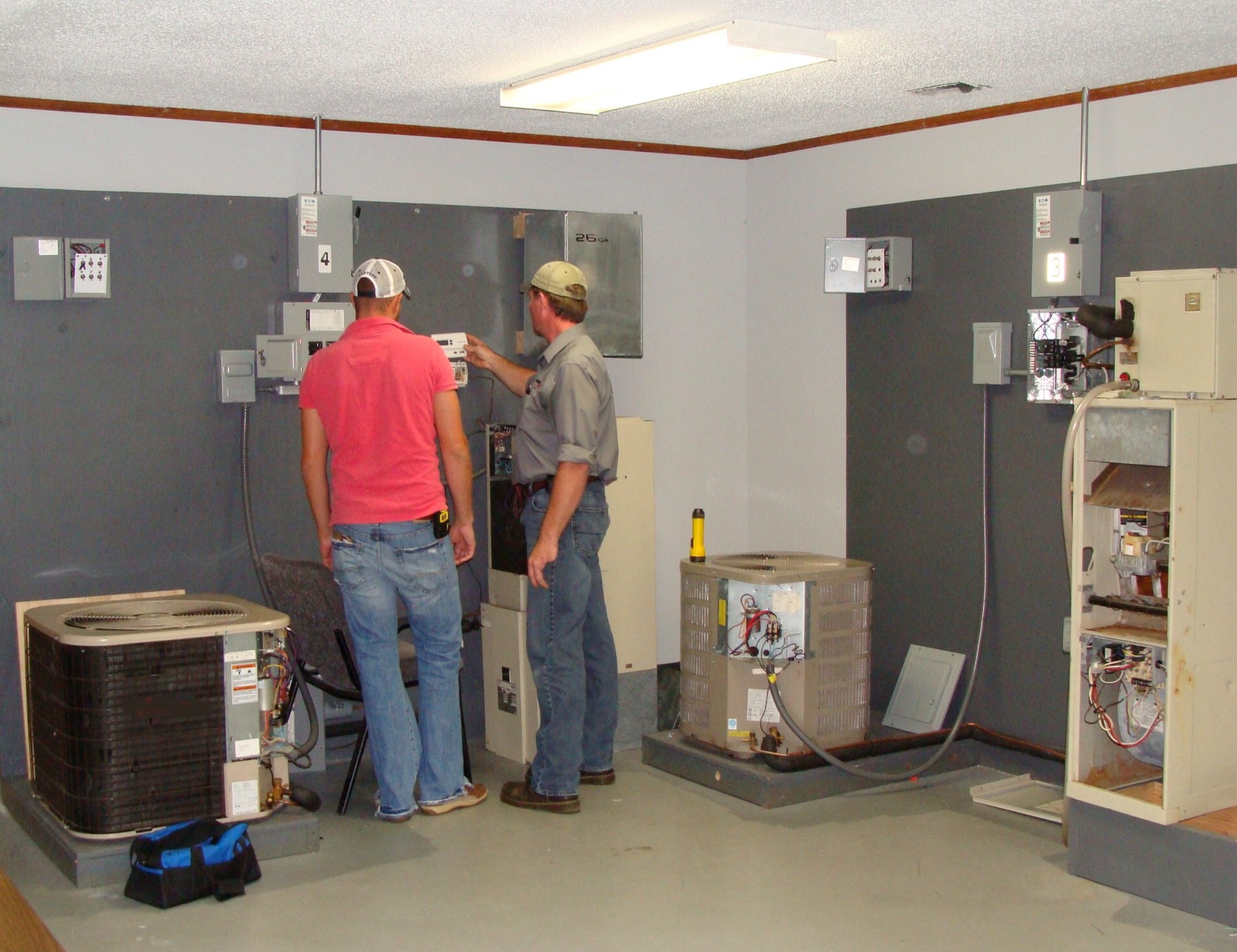
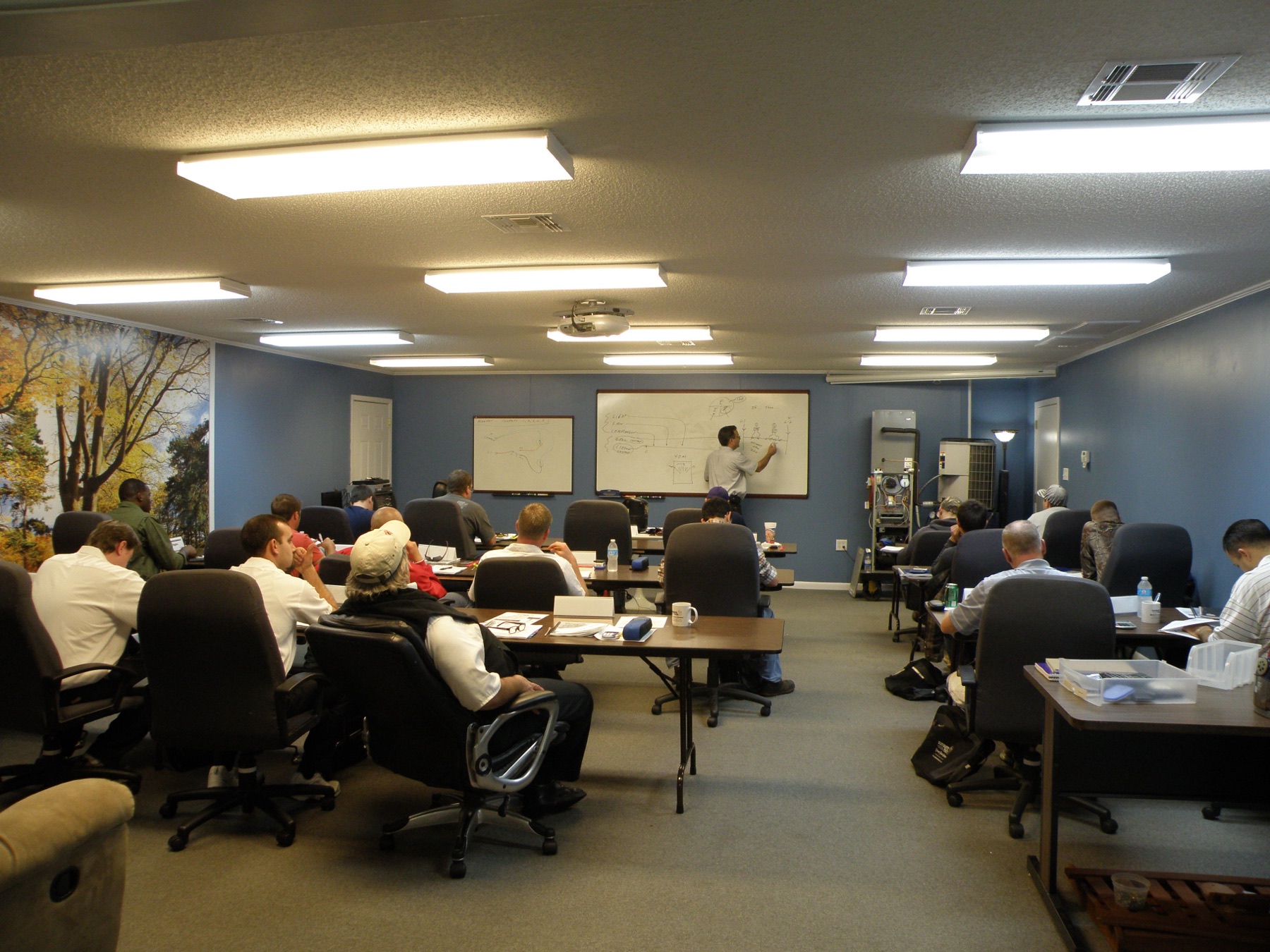
Each course blends classroom training that explains the theory of how it works with the hands-on training that teaches the how to procedures it takes to get the job done. Students spend roughly one-third of the time in the classroom and two-thirds in the electrical, heating, A/C and plumbing labs.
Courses rotate constantly, so you can pick the ones that fit your schedule. Some students take a single week; others spend two or three weeks running several courses back to back. There is no pre-course study, so you can enroll at any time — and every tool and electronic testing instrument is provided while you're here.
Seven five-day courses
No prerequisite is required for the Electrical or Refrigeration courses — either may be taken first. Advanced Service Diagnostics is for experienced technicians.
-
Foundation
Electrical for HVAC
The theory of electricity, proper wiring and safety, and the electrical components behind every service and installation call.
-
Foundation
Refrigeration AC/HP Technology
The refrigeration cycle end to end — proper charging, troubleshooting, brazing, evacuation and recovery.
-
Take after Electrical
Heating Technology
Gas furnaces, boilers and heat systems — combustion, sequence of operation, and diagnosing what actually failed.
-
Install track
Installation Technology
Duct design and sheet metal through to commissioning — the skills that turn an assistant into a lead installer.
-
Experienced techs
Advanced Service Diagnostics
Cut diagnostic time and recalls. For techs who handle ordinary calls well but get tripped up on the complicated ones.
-
Trades
Plumbing Service & Maintenance
Service and maintenance work in the plumbing lab — water heaters, fixtures, and the diagnostics behind callbacks.
-
Trades
Electricians Service & Maintenance
Built for electricians and for cross-training experienced techs from other trades within your company.
Building blocks, not just tasks
A lot of schools are segment based, but they spend two or three semesters accomplishing what UTA accomplishes in a few weeks. The difference is what a technician is left holding afterward.
Task based
Learn the steps
The technician learns the steps to perform a certain task. Productive sooner — but without the foundational knowledge needed when a call goes sideways. There isn't time in a task-based program to cover why the steps are what they are.
Segment based — how UTA teaches
Learn the building blocks
Learn refrigeration completely — the cycle, charging, troubleshooting, brazing, evacuation, recovery — and it applies to service, maintenance and installation alike. Start-up may take slightly longer; the rate of progress afterward is far faster.
Send someone with basic mechanical aptitude through Electrical, Refrigeration and Heating, and they can run air conditioning and heating maintenance for you on completion. Compare that to the typical approach — letting a new hire ride along with another tech for a season or two, where the training is only ever as good as the tech they're riding with.
Read the full comparisonWho UTA is for
Students work individually on lab projects designed so each one progresses at their own rate — which is why four very different technicians can sit in the same week-long course.
New technicians
Good attitude, basic mechanical skills, a little on-the-job training — and a new tech is up and running in no time.
Moving up the ladder
Your best service techs and lead installers usually come from within. Send an apprentice for the jump start they need.
Frustrated technicians
When diagnostics take too long, everyone loses — the customer, the tech, the company. A course or two turns that around.
Experienced technicians
Often overlooked precisely because they bring in revenue every day. Fine-tuning diagnostics and system performance pays back fast.
Train where the equipment lives
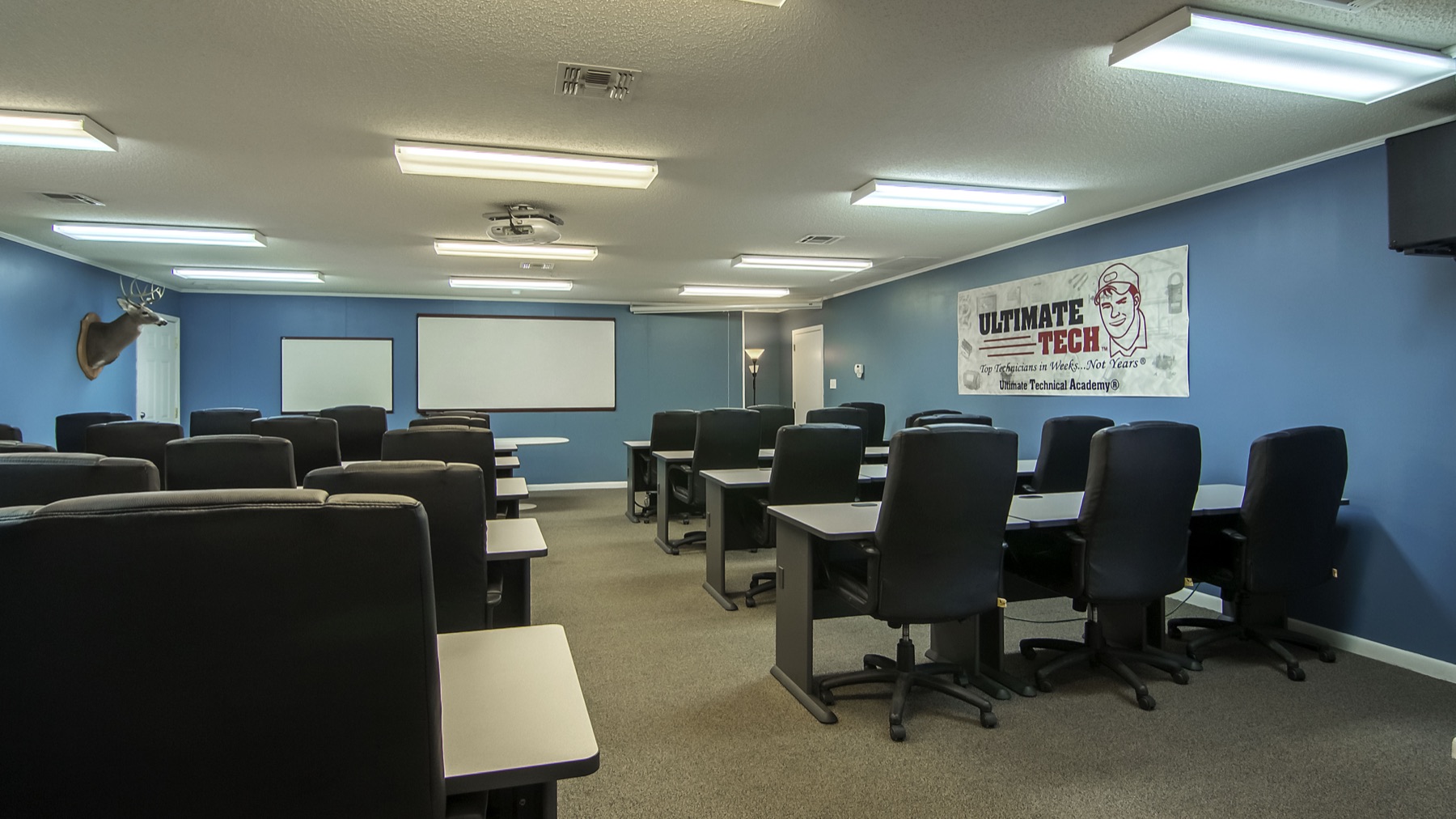
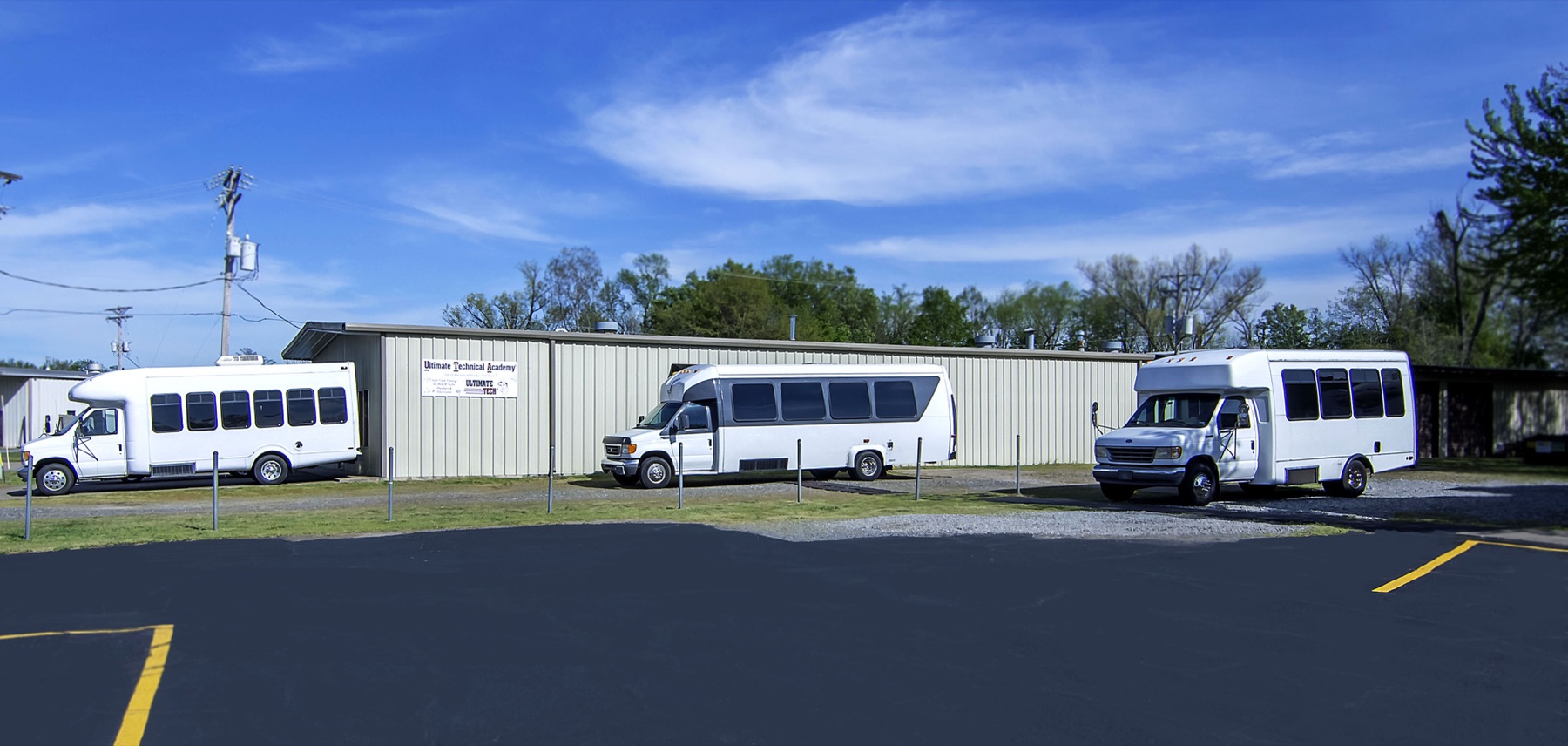
Every week, students from across the United States and Canada attend the training facility in North Little Rock, Arkansas — electrical, heating, A/C and plumbing labs stocked with operational equipment, roughly 14 miles from Little Rock National Airport.
- Address
- 6108 Getty Drive, North Little Rock, AR 72117
- Registration
- 501-835-8200 — ask for Pat Hardwick. Class size varies, so register early.
Enroll at any time — there's no pre-course work
Register online, or call and we'll walk you through it. All materials and tools are provided; homework is assigned each evening and an exam is given on the last day.